Human-AI Interaction (HAI) concerns how humans and AI interact, collaborate, and are entangled.
With AI tools such as ChatGPT and Claude, we can now use AI as a reflective partner in our self-reflection. AI can serve as a mirror - what I call Human-AI Reflection. In this article, I explain what Human-AI Reflection…
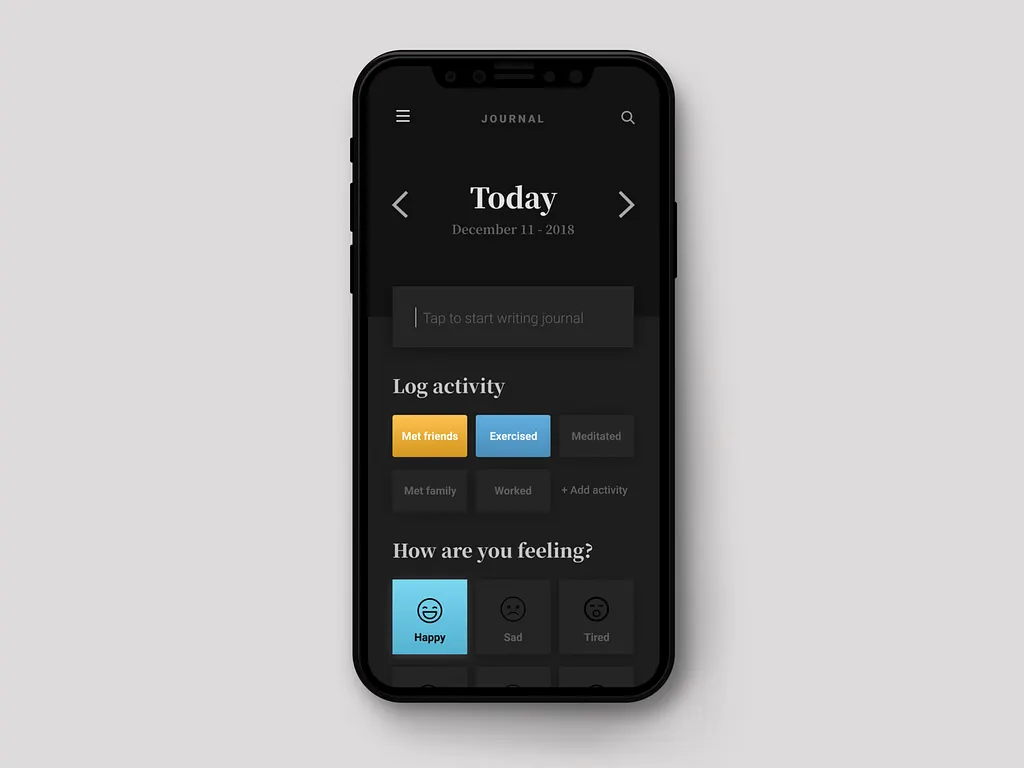
I am intrigued by the idea of using design fiction to explore how we should design AI reflection tools for the future. I want to explore how AI could affect our journaling and self-reflection practices. Will we use AI as…
Can you use ChatGPT or Claude for self-reflection and mental health support? Explore the benefits, risks, and practical tips for using AI as a journaling and mental well-being tool.
Why I study human-AI interaction — exploring tech addiction, social media harms, AI dependency, and the case for care research in HCI.
Human-AI collaboration is about how humans and AI can work together to achieve goals. For example, instead of using AI to replace humans in a workflow, we can leverage AI to automate repetitive tasks, as a co-creator, or to make…
With the rise of Generative AI tools such as Figma Make, Lovable, and other prompt-to-design tools, the future of UI designers might change. In this article, we're going to look at what the future for UI designers will be in…
Human-AI Interaction is a field that examines how humans use, interact with, and are affected by AI. From these insights, we can formulate practical design guidelines for developing new AI-based products and features, guide and inform new regulations and laws…
Figma recently introduced its MCP (Model Context Protocol) servers, enabling two-way connections between Figma files and agentic code agents such as Cursor and Claude Code. This enables easier workflows between design and development. It's still a new thing, though, and…
Explore AI tools for product design in 2026. Research-backed insights and practical tips for Figma Make, Claude Code, Cursor, and experimental workflows from a design lecturer.
As artificial intelligence becomes increasingly woven into our daily lives through self-tracking apps, digital assistants, and personalized recommendations, we need new frameworks to understand this relationship. Human-AI entanglement is a concept rooted in Karen Barad's agential realism and Fourth Wave…
The rise of generative AI tools, like Figma Make, transforms design into "Vibe Designing," paralleling "Vibe Coding." Using natural language prompts, designers create prototypes and iterate through AI assistance or manual edits. While fostering creativity and efficiency, challenges include design fixations, generic outcomes, and the risk of diminishing critical skills in designers.
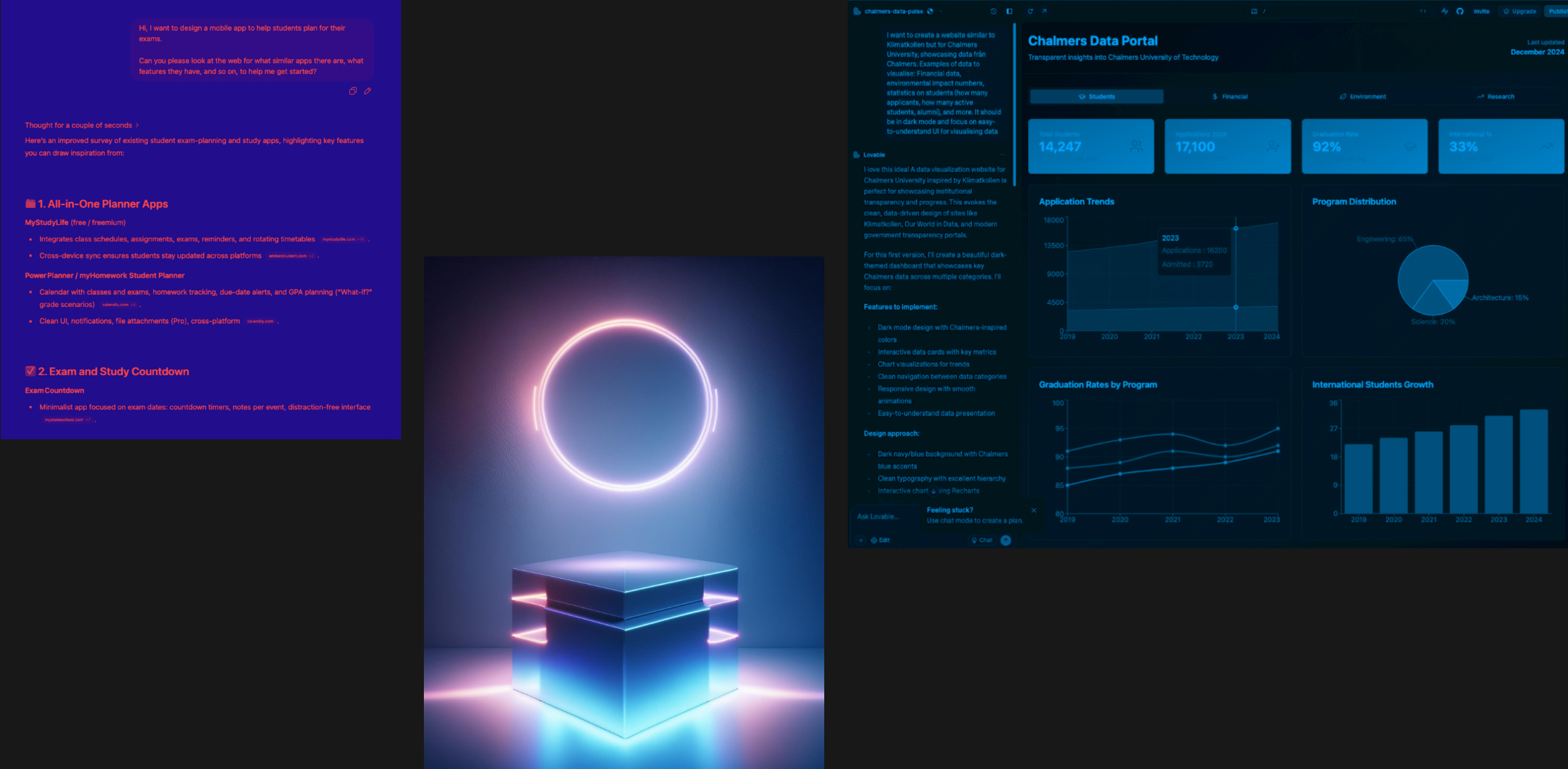
In this article, I'm presenting generative AI works I did for a course in AI and Design—Concepts and Methods, that focused on generative AI tools for image generation, 3D AI generation, AI Video Generation, using LLMs as a design method, and…